Products / Fibers

Our product portfolio

Fibers

Explore staple fibers and specialty polyester options for your production requirements.

Textile Fibers

Polyester Staple Fiber
Textile Fibers

Polyester Staple Fiber

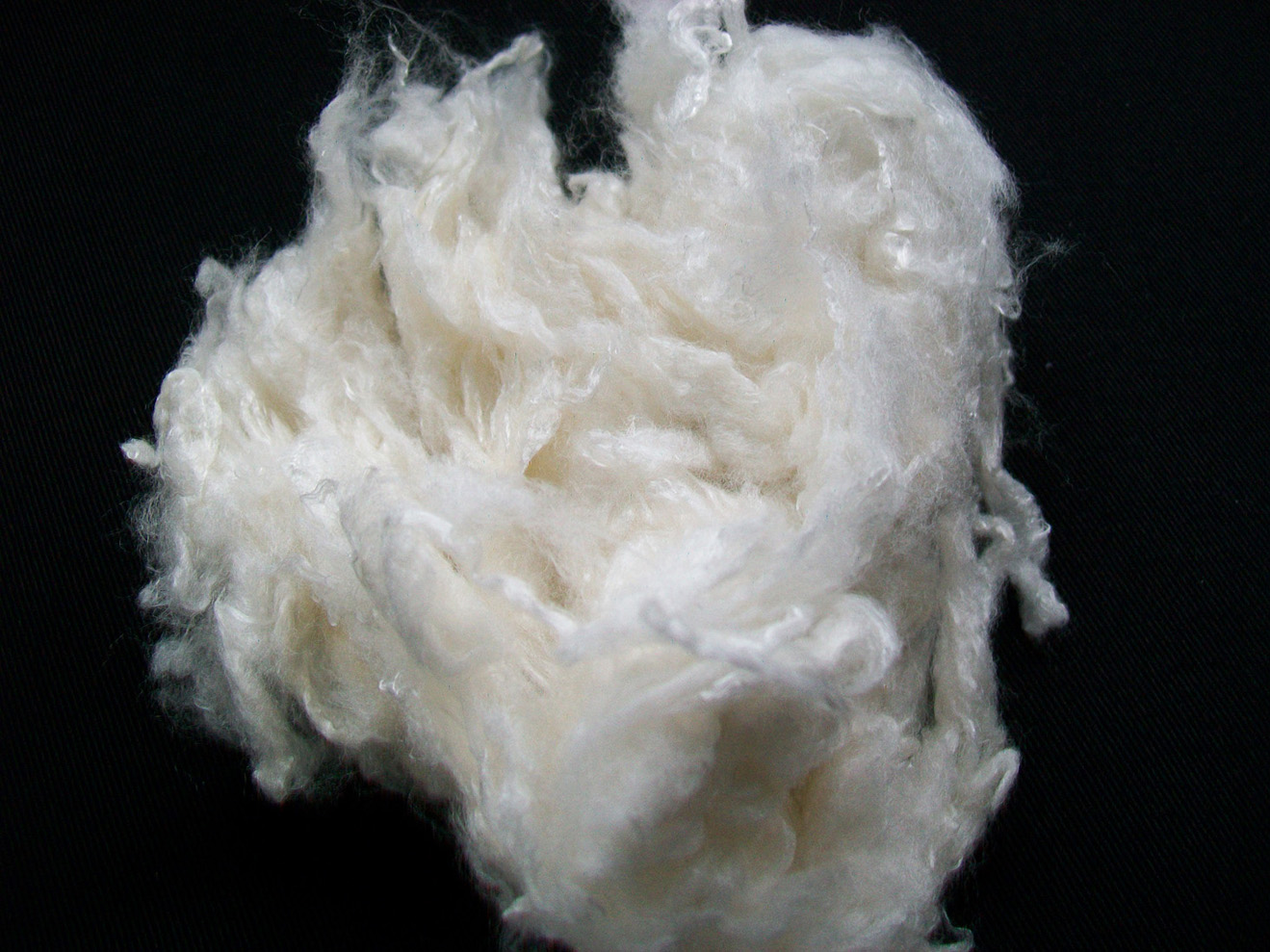
Synthetic staple fiber, typically made from polyethylene terephthalate (PET) and cut to specific lengths for downstream processing. Depending on the polymer source, it may be virgin, recycled or a blend of both. It can be produced in different linear densities, lengths, colors, luster levels, finishes and configurations for a range of textile and industrial processes.

Product overview

Synthetic staple fiber, typically made from polyethylene terephthalate (PET) and cut to specific lengths for downstream processing. Depending on the polymer source, it may be virgin, recycled or a blend of both. It can be produced in different linear densities, lengths, colors, luster levels, finishes and configurations for a range of textile and industrial processes.

Typical applications

  • Spinning of 100% polyester or blended yarns
  • Nonwovens, geotextiles and filters
  • Fill and home textiles
  • Textile and industrial applications depending on linear density and finish

Applications vary by grade, specification and processing requirements.
Discuss Your Requirements →
Viscose Staple Fiber
Textile Fibers

Viscose Staple Fiber

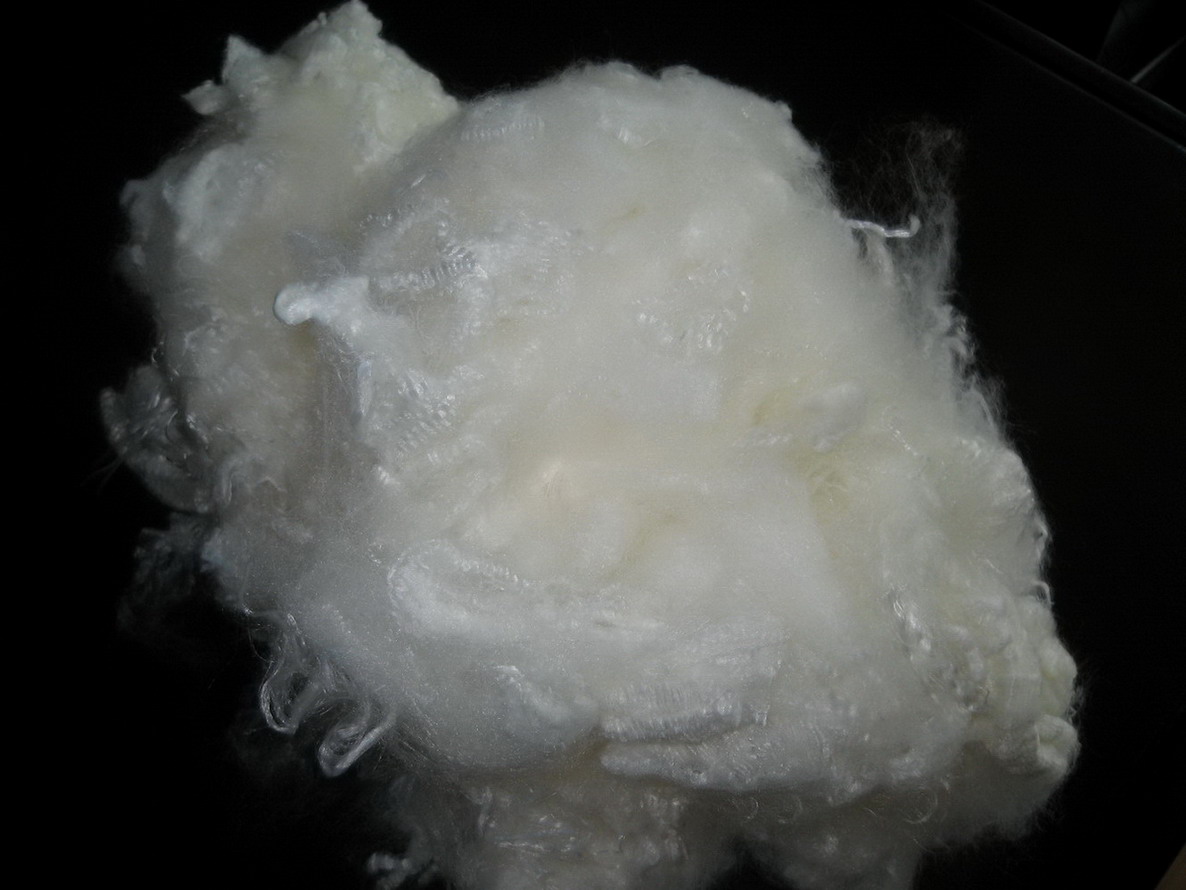
Regenerated cellulosic fiber made from wood pulp. Known for its softness, good drape and absorbency, it can be used on its own or blended with natural and synthetic fibers.

Product overview

Regenerated cellulosic fiber made from wood pulp. Known for its softness, good drape and absorbency, it can be used on its own or blended with natural and synthetic fibers.

Typical applications

  • Fashion garments and fabrics
  • Home textiles
  • Blends with cotton, polyester and other fibers
  • Nonwoven and hygiene applications

Applications vary by grade, specification and processing requirements.
Discuss Your Requirements →
Acrylic Staple Fiber
Textile Fibers

Acrylic Staple Fiber

Synthetic fiber based primarily on polyacrylonitrile. Lightweight, soft and warm, with a wool-like feel, it can be used on its own or blended with other fibers.

Product overview

Synthetic fiber based primarily on polyacrylonitrile. Lightweight, soft and warm, with a wool-like feel, it can be used on its own or blended with other fibers.

Typical applications

  • Sweaters and knitwear
  • Blankets, carpets and upholstery
  • Outdoor furnishings
  • Blends with wool and other fibers

Applications vary by grade, specification and processing requirements.
Discuss Your Requirements →
Spandex
Textile Fibers

Spandex

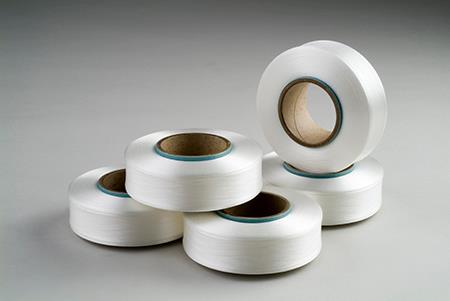
Synthetic elastomeric fiber in continuous filament form, known for its high elongation and recovery. It is usually combined with other filaments or fibers.

Product overview

Synthetic elastomeric fiber in continuous filament form, known for its high elongation and recovery. It is usually combined with other filaments or fibers.

Typical applications

  • Sportswear and performance apparel
  • Underwear and hosiery
  • Swimwear
  • Denim and stretch garments

Applications vary by grade, specification and processing requirements.
Discuss Your Requirements →
Cotton
Textile Fibers

Cotton

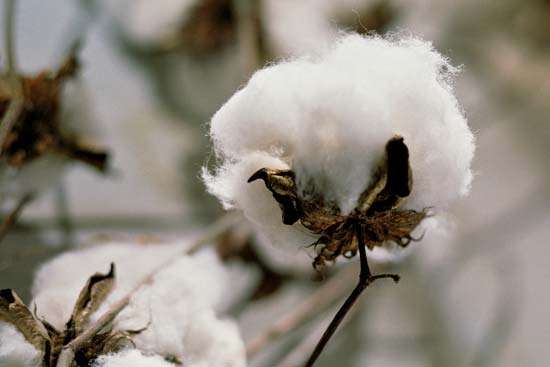
Natural cellulosic fiber obtained from the cotton plant's boll. One of the most widely used textile raw materials, it is primarily processed through spinning to produce a wide variety of woven fabrics and nonwovens.

Product overview

Natural cellulosic fiber obtained from the cotton plant's boll. One of the most widely used textile raw materials, it is primarily processed through spinning to produce a wide variety of woven fabrics and nonwovens.

Typical applications

  • Apparel
  • Home textiles
  • Yarns and blends
  • Hygiene and absorbent products

Applications vary by grade, specification and processing requirements.

Discuss Your Requirements →

Specialty Polyester Fibers

Solid Polyester Staple Fiber
Specialty Polyester Fibers

Solid Polyester Staple Fiber

Polyester staple fiber with a solid cross-section, used as a standard grade for spinning, nonwovens and industrial applications. Virgin grades allow consistent control of whiteness, linear density, length and mechanical properties.

Product overview

Polyester staple fiber with a solid cross-section, used as a standard grade for spinning, nonwovens and industrial applications. Virgin grades allow consistent control of whiteness, linear density, length and mechanical properties.

Typical applications

  • Spinning and blends
  • Hydroentangled (spunlace) and needle-punched nonwovens, and felts
  • Geotextiles and filters
  • Furniture, mattresses and fill

Applications vary by grade, specification and processing requirements.

Discuss Your Requirements →
Solution-Dyed Polyester Fiber
Specialty Polyester Fibers

Solution-Dyed Polyester Fiber

Polyester fiber colored during manufacturing by adding pigment or masterbatch before spinning. The color is incorporated into the polymer itself.

Product overview

Polyester fiber colored during manufacturing by adding pigment or masterbatch before spinning. The color is incorporated into the polymer itself.

Typical applications

  • Colored yarns
  • Colored nonwovens
  • Colored fill
  • Melange effects and technical textiles

Applications vary by grade, specification and processing requirements.
Discuss Your Requirements →
Hollow Polyester Fiber
Specialty Polyester Fibers

Hollow Polyester Fiber

Polyester fiber with one or more internal channels in its cross-section. The hollow structure reduces weight per unit volume and helps provide greater bulk, resilience and thermal insulation than a comparable solid fiber.

Product overview

Polyester fiber with one or more internal channels in its cross-section. The hollow structure reduces weight per unit volume and helps provide greater bulk, resilience and thermal insulation than a comparable solid fiber.

Typical applications

  • Comforters, pillows and sleeping bags
  • Lightweight fill for home textiles
  • Thermal insulation
  • Padding and high-loft nonwovens

Applications vary by grade, specification and processing requirements.

Discuss Your Requirements →
Hollow Conjugated Polyester Fiber
Specialty Polyester Fibers

Hollow Conjugated Polyester Fiber

Bicomponent hollow polyester fiber with three-dimensional crimp or a spiral structure. Designed to provide high bulk, resilience and recovery while remaining lightweight and offering good insulation.

Product overview

Bicomponent hollow polyester fiber with three-dimensional crimp or a spiral structure. Designed to provide high bulk, resilience and recovery while remaining lightweight and offering good insulation.

Typical applications

  • Pillows, cushions and mattresses
  • Comforters and quilts
  • Furniture and upholstery fill
  • Insulation, interlinings and toys

Applications vary by grade, specification and processing requirements.

Discuss Your Requirements →
Low-Melt Polyester Fiber
Specialty Polyester Fibers

Low-Melt Polyester Fiber

Bicomponent polyester fiber designed to soften or melt at a lower temperature than the main structural fiber. When heated, it acts as a bonding agent between fibers.

Product overview

Bicomponent polyester fiber designed to soften or melt at a lower temperature than the main structural fiber. When heated, it acts as a bonding agent between fibers.

Typical applications

  • Thermally bonded wadding, batting and fill
  • Mattresses, comforters and cushions
  • Thermally bonded nonwovens
  • Filtration and automotive applications

Applications vary by grade, specification and processing requirements.

Discuss Your Requirements →

Contact via WeChat

Ariel

Scan this code with WeChat to add Ariel as a contact.

WeChat QR — Ariel
Save QR

If you cannot scan the code, you can try searching for the ID in WeChat.